
Nutritional Guidelines for Daily Life
Discover evidence-based nutritional principles to help you build sustainable eating habits. Learn how to balance macronutrients, understand food labels, and make informed choices for your health and wellbeing.
Essential Features of Balanced Nutrition
Our nutritional guidelines framework covers the fundamental aspects of healthy eating. Each feature has been researched and refined to support your daily wellness journey.
Macronutrient Balance
Learn how to distribute proteins, carbohydrates, and fats across your meals. Proper macronutrient ratios support energy levels, muscle health, and metabolic function. Our guidelines help you personalise proportions based on your lifestyle and activity level.
Micronutrient Essentials
Vitamins and minerals play critical roles in immune function, bone health, and disease prevention. Discover which foods are rich in key micronutrients and how to ensure adequate intake through everyday meals without supplements unless medically advised.
Hydration & Fluid Intake
Adequate hydration influences cognitive performance, physical endurance, and organ function. We explain daily water requirements, signs of dehydration, and how beverages like tea and milk contribute to overall fluid intake recommendations.
Food Label Literacy
Understanding nutrition labels empowers informed food choices. Learn to interpret serving sizes, ingredient lists, allergen warnings, and nutrient claims. This knowledge helps you compare products and identify added sugars and sodium content.
Meal Timing & Frequency
Explore how meal timing affects energy, digestion, and metabolic health. Understand breakfast importance, snacking strategies, and why consistency matters more than strict schedules. Adapt eating patterns to your work, exercise, and personal routine.
Sustainable Eating Habits
Building lasting nutritional habits requires realistic strategies, not restrictive diets. Learn about habit stacking, mindful eating, managing cravings, and enjoying foods you love while meeting nutrition goals. Sustainability leads to lifelong health benefits.
Understanding Nutritional Principles
Different nutritional approaches serve different purposes. Compare key principles to find what aligns with your health objectives and lifestyle.
Macronutrient Distribution Strategies
Different activities and goals suit different macronutrient ratios. Athletes might prioritise carbohydrates for performance, while those managing blood sugar may emphasise protein and healthy fats. The standard recommendation—balancing all three—works for most people seeking general wellness.
Balanced Distribution (40-40-20)
40% carbs, 30-40% protein, 20-30% fat. Suitable for general health and moderate activity levels.
Higher Protein Focus (30-35% protein)
Supports muscle recovery, satiety, and weight management. Ideal for active individuals and strength training.
Higher Carbohydrate Focus (50-55%)
Prioritises performance and endurance. Beneficial for athletes and those with high aerobic activity.
Moderate Fat Emphasis (30-35% fat)
Focuses on healthy fats for heart health, hormone production, and satiety. Includes Mediterranean-style patterns.

Your 5-Step Path to Better Nutrition
Implementing nutritional guidelines doesn't have to be overwhelming. Follow this practical framework to gradually build healthier eating patterns.
Assess Your Baseline
Track your current eating patterns for a week. Note meal times, portions, and how different foods make you feel. This awareness forms the foundation for meaningful change.
Set Realistic Goals
Define specific, achievable objectives like "add vegetables to lunch" or "drink eight glasses of water daily." Small, measurable goals build momentum and confidence.
Learn & Educate
Read nutrition articles, understand food labels, and learn which foods align with your goals. Knowledge builds confidence in making informed food choices.
Implement Gradually
Change one meal or habit at a time rather than overhauling everything overnight. Gradual implementation increases sustainability and reduces overwhelm.
Monitor & Adjust
Regularly review how you're feeling and whether your goals are being met. Adjust portion sizes, meal timing, or macronutrient ratios based on real-world results.
Success Stories From Our Community
Real people share how applying nutritional guidelines has positively impacted their health and daily energy levels.
"Learning about macronutrient balance completely changed how I approach meal planning. I no longer feel guilty about eating fats or carbs—I understand how they fit into my daily nutrition. The guidelines here are practical and don't require extreme restriction. I have more consistent energy throughout the day and actually enjoy my meals."
Sarah Mitchell, Manchester
Wellness Enthusiast
"Understanding food labels for the first time gave me control over my choices. I can now compare products confidently and know exactly what I'm eating. The hydration tips were especially helpful—I feel less fatigued after making it a habit."
James Patterson, Liverpool
Office Professional
"The sustainable habits approach resonated with me. Instead of punishing myself with restrictions, I learned to enjoy food mindfully. Building better habits slowly meant they actually stuck. My whole family has benefited from these principles."
Emma Thompson, Birmingham
Parent & Community Leader
"As an athlete, the macronutrient information helped me fuel my training properly. I used to feel sluggish before workouts because my carbohydrate timing was off. These guidelines made my performance noticeably better in just a few weeks."
Marcus Chen, Bristol
Fitness Trainer
Meal Planning Visual Guide
Explore visual examples of balanced meals incorporating nutritional guidelines. These images demonstrate practical portion sizes and food combinations.

Balanced Breakfast Example
Whole grain toast, Greek yogurt, fresh berries, and nuts. This combination provides sustained energy through macronutrient balance.

Nutrient-Dense Lunch Plate
Grilled chicken, mixed vegetables, brown rice, and olive oil dressing. A complete meal with protein, carbs, healthy fats, and micronutrients.

Smart Snacking Options
Almonds, apple slices, and string cheese. These snacks provide sustained energy without excessive added sugars or sodium.

Mediterranean Dinner Pattern
Baked salmon, roasted vegetables, quinoa, and fresh herbs. Heart-healthy fats and omega-3s combined with complex carbs.
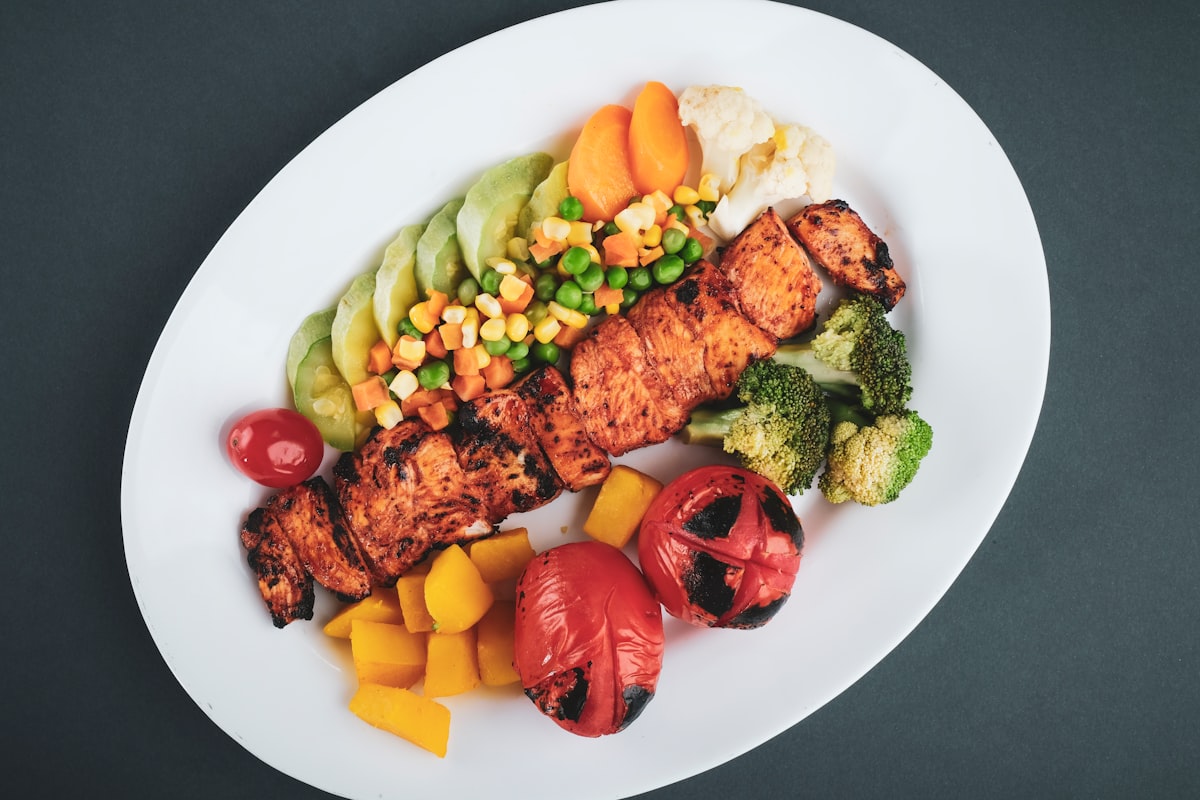
Plant-Based Protein Meal
Lentil curry with spinach, sweet potato, and coconut milk. Demonstrates how to balance macros and nutrients without animal products.

Pre-Workout Fuel
Banana with almond butter and oatmeal. The carbs provide quick energy while protein supports muscle function during exercise.
Common Nutritional Questions Answered
Find answers to frequently asked questions about applying nutrition guidelines to your daily life.
A common recommendation is 0.8–1.0 grams of protein per kilogram of body weight for general health. For active individuals and muscle building, 1.6–2.0 grams per kilogram is often recommended. Track your intake for a few days using food labels or a nutrition app to see your actual protein consumption. Signs of adequate intake include consistent energy levels, muscle maintenance or growth, and good recovery after exercise. Individual needs vary based on age, activity level, and health status, so adjusting based on how you feel is important.
Calorie counting isn't essential for everyone, though it can be helpful for some people. A more intuitive approach focuses on eating whole foods, paying attention to hunger and fullness cues, and ensuring balanced macronutrient intake. If you're managing a specific health condition or working toward a particular goal, tracking calories temporarily can provide useful data about your eating patterns. Many people find success simply by eating nutrient-dense foods without obsessively counting every calorie. The best approach is whichever feels sustainable and doesn't trigger an unhealthy relationship with food.
Absolutely. The principles of balanced macronutrient distribution, adequate micronutrient intake, and consistent meal timing apply regardless of dietary restrictions. If you follow vegetarian, vegan, keto, or other restricted eating patterns, focus on whole foods within your framework and ensure you're meeting all nutritional needs through thoughtful food selection. For example, vegans can meet protein requirements through legumes, tofu, nuts, and seeds. People with gluten sensitivity can use whole grain alternatives. If your restriction is medically necessary, working with a nutrition specialist can help ensure you're balancing nutritional needs with your dietary requirements.
Active individuals typically benefit from higher total calorie intake and increased protein consumption to support muscle recovery. Carbohydrate timing becomes more important—eating carbs before exercise provides energy, while post-exercise carbs and protein together promote muscle repair. Adequate hydration is critical during activity, not just before and after. Your precise needs depend on the type, intensity, and duration of exercise you do. A general approach is increasing total daily calories by 300–500 per hour of moderate to intense exercise, with protein intake around 1.6–2.2 grams per kilogram of body weight for those doing strength training.
Nutrition guidelines are evidence-based recommendations developed by health organisations and research institutions, designed for long-term health and sustainability. Diet trends are often promoted as quick fixes with temporary appeal. Guidelines emphasise whole foods, balanced macronutrient distribution, micronutrient adequacy, and sustainable habits. Trends frequently restrict entire food groups, promise rapid results, or lack scientific backing. While some trends (like focusing on Mediterranean patterns or plant-based foods) may align with guidelines, most fad diets are restrictive and temporary. Sustainable health improvement comes from following evidence-based principles adapted to individual needs, not from chasing fleeting diet trends.
Success Stories from Our Community
Real people achieving real results with Wellnesshabittrack
James Martinez
Fitness Enthusiast
"Wellnesshabittrack transformed how I manage my daily routines. The habit tracking features helped me build consistency, and within three months I saw significant improvements in my energy levels and overall wellbeing."
Sarah Chen
Working Professional
"As someone with a busy schedule, I needed a tool that was simple yet effective. This app helped me prioritize my wellness goals without overwhelming me. I'm sleeping better and feeling more focused at work."
Robert Kumar
Health Coach
"I recommend Wellnesshabittrack to all my clients. The visual progress tracking and evidence-based guidance keep them motivated and accountable. It's a game-changer for anyone serious about sustainable wellness."
Start Your Wellness Journey Today
Join thousands of people building healthier habits with Wellnesshabittrack. Evidence-based, personalized, and designed for long-term success.
Available on iOS, Android, and Web. Free 30-day trial with premium features.
Frequently Asked Questions
Everything you need to know about Wellnesshabittrack